Boulders Beach Penguin
Boulders Beach in Simon’s Town is one of South Africa’s most iconic wildlife experiences: sheltered sandy coves framed by giant granite boulders, and a resident colony of African penguins that has captured the hearts of locals and visitors alike. This guide explains why Boulders is special, how the penguin colony developed, what threats the birds face, how to visit responsibly, and ways you can support their conservation.
Why Boulders is so special
Boulders is unusual because it’s a rare land-based colony of African penguins right beside a seaside town — you can watch the birds from boardwalks just metres away as they preen, nest, and waddle between the water and their burrows. The cove’s huge boulders shelter calm, shallow beaches that are safe for families, while the penguins go about their daily routines in full view. The visitor infrastructure (boardwalks and viewing platforms) was built to let people enjoy the colony while minimising disturbance to the birds.
A brief history and conservation status
The Boulders Penguin Colony was formally established in the early 1980s when penguins moved from nearby offshore islands to the mainland. African penguins have faced dramatic declines over recent decades: populations that were once large have been reduced significantly by a range of pressures. The species’ conservation status has deteriorated, which is why protecting colonies like Boulders remains important for their survival.
What threatens the African penguins at Boulders
The decline of African penguins is caused by several interacting factors:
- Habitat loss and degradation — coastal development and changing shorelines reduce safe nesting sites.
- Oil spills and marine pollution — petroleum contamination can kill birds directly and damage food chains.
- Food shortages — shifts in fish stocks (linked to climate variability and overfishing) reduce the penguins’ access to their prey.
- Human disturbance — careless tourism, feeding, or approaching nests can stress birds and disrupt breeding.
- Domestic animals — unrestrained pets can attack or scare penguins.
Understanding these pressures explains why strict site management, careful visitor behaviour, and broader fisheries and pollution measures are needed to protect the species.
Visiting Boulders Beach — practical tips
Boulders is a popular attraction, especially in summer, so planning ahead will make your visit smoother:
- Arrive early: Parking is limited, and mornings or late afternoons are often less crowded.
- Check tides: Beach space changes with the tide — low tide gives the most sand and easier walking.
- Dress for the coast: Even on warm days the ocean breeze can be cool; bring sun protection and comfortable shoes.
- Respect the boardwalks: Stay on designated boardwalks and viewing platforms — they are there to protect the birds and their nests.
Boulders is family-friendly but remember the birds are wild animals; don’t try to touch or feed them. Human food is harmful to their health, and penguins will defend themselves if threatened.
Rules and site management you should know
To balance tourism and conservation, Boulders is managed with clear rules:
- Stay on boardwalks in the viewing area to avoid trampling nesting sites.
- Do not touch or feed penguins. Feeding alters natural foraging behaviour and can be dangerous.
- Rangers patrol the area, and behaviours such as alcohol consumption and smoking are prohibited to reduce disturbance.
- No vessels (canoes, kayaks, etc.) are allowed in the cove to protect marine life and minimise disturbance.
- Conservation fees apply at the national park pay point; these fees support park management.
Following these rules keeps both visitors and penguins safe and contributes to long-term conservation efforts.
Activities & facilities nearby
Boulders offers more than just penguin viewing — it’s a relaxed seaside spot with basic visitor facilities close at hand:
- Cafés, restaurants and accommodation are within easy reach for a meal after your visit.
- The shelter provided by the boulders makes the cove ideal for swimming and picnicking on calmer days.
- The boardwalks provide excellent photography opportunities and safe vantage points for families and birders.
Because Boulders sits inside a protected area, removing marine life is prohibited — a reminder that the site’s protection extends under the water as well as on land.
Best time to visit & photography tips
- Best months: Boulders is lovely year-round, but spring and early summer often coincide with nesting and chick-rearing, offering great wildlife activity.
- Time of day: Early morning and late afternoon light is best for photography, and these times are usually quieter.
- Camera tips: Use a zoom lens for close-ups without getting too close. Bring a polariser to manage sea glare and protect equipment from salt spray.
- Behaviour: Be patient — penguins have their own timetable. Quiet observation yields the best wildlife moments.
How to support the penguins
If you care about the future of African penguins, there are several practical ways to help:
- Follow the rules and spread the word: Responsible visits reduce disturbance and encourage others to act similarly.
- Support rehabilitation groups: Organisations that treat oiled or injured penguins rely on donations, volunteers, and public awareness.
- Be a conscious consumer: Support sustainable seafood practices to help protect fish stocks that penguins rely on.
- Donate or volunteer: Many conservation groups run beach clean-ups, monitoring programmes, and rescue operations; contributions of time or funds make a measurable difference.
Combine Boulders with a Simon’s Town visit
Boulders is conveniently located in Simon’s Town, which makes it easy to build a fuller day trip:
- Explore Simon’s Town’s historic streets, visit local museums, and sample seafood at harbour-side cafés.
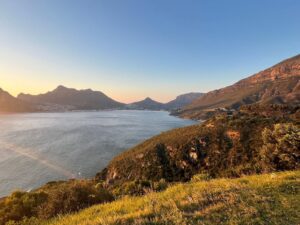
- Take the coastal drives along False Bay for dramatic views and several other beaches and coves worth exploring.
- Combine a Boulders visit with nearby attractions such as the naval museum and scenic viewpoints.
Staying overnight in Simon’s Town or nearby adds flexibility and gives you the option to visit early when the colony is often most active and the light is beautiful.
A conservation success story — but not a finished one
Boulders is a rare success story in that penguins recolonised mainland habitat and became a tourist-friendly attraction. However, the broader trend for African penguins remains worrying. While local management, visitor education and rescue efforts have helped, long-term recovery requires action on fisheries management, pollution prevention, and climate resilience to secure reliable food sources and nesting areas.
Visiting responsibly — staying on boardwalks, not feeding or harassing the birds, and supporting conservation organisations — helps ensure future generations can also enjoy the spectacle of penguins at Boulders.
Practical info at a glance
- Location: Boulders Beach, Simon’s Town (part of the protected park area).
- Facilities: Boardwalks and viewing platforms, rangers on duty, nearby cafés and accommodation.
- Rules: No feeding, no touching, stay on boardwalks, no smoking or open alcohol, no vessels in the cove.
- Entrance: Conservation fees apply at the park pay point.
- Support: Rehabilitation groups and conservation organisations accept donations and volunteers.
Final thought
Boulders Beach is a unique place where human visitors can experience the charm of African penguins up close — provided we do so with care. Enjoy the sight of these charismatic birds, learn about the challenges they face, and take small actions that support their conservation. Responsible tourism here doesn’t just create memories — it helps protect a species and the coastal ecosystems they depend on.