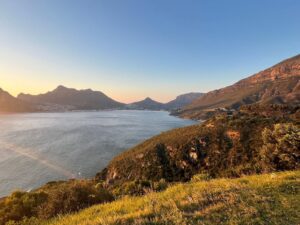
Set against the eastern slopes of Table Mountain, Kirstenbosch National Botanical Garden is one of Cape Town’s most distinctive natural attractions.
Rather than being simply a landscaped garden, Kirstenbosch brings together indigenous South African plants, mountain scenery, walking routes, forests, lawns, themed gardens and conservation. Visitors can spend a relaxed morning exploring the gardens, enjoy a picnic beneath the trees, walk above the forest canopy or use Kirstenbosch as the starting point for a more adventurous mountain outing.
For travellers exploring Cape Town’s natural attractions, Kirstenbosch deserves a place alongside Table Mountain, Cape Point and the city’s coastline.
This complete visitor guide covers what to see, how long to spend, the famous Boomslang canopy walkway, walking opportunities, picnics, accessibility and practical tips for planning your visit.
Where Is Kirstenbosch National Botanical Garden?
Kirstenbosch is situated on Rhodes Drive in Newlands, Cape Town, against the eastern side of Table Mountain.
Its position is one of the reasons the garden is so memorable. Instead of being surrounded by dense urban development, much of the garden rises towards the mountain, creating wide views across Cape Town while natural vegetation and mountain slopes form the backdrop.
The garden’s location also makes it easy to combine with other attractions around Cape Town’s southern suburbs and Table Mountain area.
Why Is Kirstenbosch Famous?
Kirstenbosch is internationally recognised as one of the world’s notable botanical gardens and is dedicated primarily to showcasing and conserving the indigenous flora of southern Africa.
The garden was established in 1913 and celebrated its centenary in 2013.
Its significance extends beyond the landscaped sections visitors see during a casual walk. Kirstenbosch forms part of the wider protected natural landscape associated with the Cape Floral Region, an area internationally recognised for extraordinary plant diversity and endemism.
This gives a visit to Kirstenbosch a different character from a conventional city park.
You are exploring a place where recreation, botanical research, education and biodiversity conservation meet.
What to See at Kirstenbosch
There is far more to Kirstenbosch than a single walking route.
Visitors can choose between formal gardens, lawns, forests, specialist plant collections and pathways extending towards the mountain.
Here are some of the highlights.
1. The Centenary Tree Canopy Walkway – The Boomslang
One of Kirstenbosch’s best-known attractions is the Centenary Tree Canopy Walkway, commonly called the Boomslang.
The curved steel-and-timber walkway winds through and above the trees of the Arboretum. Its design was inspired by a snake skeleton, which explains its nickname.
The walkway is approximately 130 metres long and rises to around 12 metres above the ground at its highest sections.
As you move through the canopy, the walkway opens onto elevated views across the garden, surrounding mountains and Cape Flats.
It was built as part of Kirstenbosch’s centenary celebrations and opened to visitors in 2014.
There is no separate fee for using the walkway once you have entered Kirstenbosch.
For first-time visitors, the Boomslang should be high on the list.
2. The Arboretum
The Boomslang passes through Kirstenbosch’s Arboretum, which contains more than 450 southern African tree species.
The Arboretum has a noticeably different atmosphere from the open lawns and fynbos sections of the garden.
Shaded paths weave beneath mature trees while shrubs, bulbs and other plants form the lower layers of vegetation.
It is an excellent area for visitors who want to slow down and experience the quieter, forested side of Kirstenbosch.
3. The Protea Garden
Proteas are closely associated with the Cape landscape, and the Protea Garden gives visitors an opportunity to see members of this remarkable plant family in a botanical setting.
What you see will naturally depend on the season.
This is one reason Kirstenbosch rewards repeat visits: different plants flower and change throughout the year rather than the garden looking identical in every season.
The surrounding mountain backdrop also makes this one of the particularly attractive sections for photography.
4. The Cycad Amphitheatre
Cycads are among the most ancient groups of seed plants still living today.
Kirstenbosch’s Cycad Amphitheatre provides an opportunity to see these unusual plants in a landscaped setting.
For families, this area can be particularly interesting because of the life-sized dinosaur sculptures placed among the cycads, helping connect the plants with the prehistoric world in which their ancient relatives existed.
5. The Conservatory
The Conservatory provides a different botanical experience from the lush outdoor areas.
It showcases plants adapted to a variety of southern African environments, including species from much drier regions.
For visitors who think Kirstenbosch is only about Cape fynbos, the Conservatory helps demonstrate just how diverse southern Africa’s plant life really is.
6. The Fragrance Garden
The Fragrance Garden encourages visitors to experience plants through scent and touch rather than simply looking at them.
It is also connected to another important Kirstenbosch feature: the Braille Trail.
7. The Braille Trail
The Braille Trail is a short self-guided route through indigenous forest designed to encourage visitors to experience the environment using multiple senses.
The trail is approximately 450 metres long and generally takes around 15 to 30 minutes.
A guide rope follows the route, with information points marked along the way. Interpretive signs are presented in large print and Braille.
It starts and ends at the Fragrance Garden.
8. The Sculpture Garden
Kirstenbosch isn’t exclusively about plants.
Art also forms part of the visitor experience, with sculpture incorporated into areas of the garden.
This provides another dimension to a visit and creates an interesting relationship between botanical landscapes and African art.
9. The Main Lawn
Sometimes the best Kirstenbosch experience is the simplest.
The large lawns provide space to sit, relax and enjoy the surroundings.
Instead of trying to see every named garden and attraction in one visit, leave some time simply to enjoy the mountain setting.
Walking at Kirstenbosch
Kirstenbosch is particularly rewarding for visitors who enjoy walking.
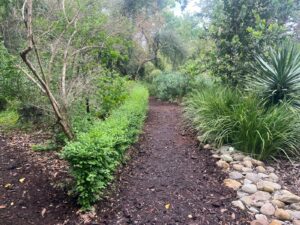
You can keep things easy by following paths through the landscaped gardens, or explore routes that move higher towards the natural vegetation and Table Mountain.
The important distinction is that a garden walk and a mountain hike are not the same activity.
If you plan to venture beyond the main garden into the mountain environment, prepare appropriately for a proper hike.
Cape mountain conditions can change, routes can be considerably more demanding than the garden paths, and visitors should use suitable footwear, carry water and check current safety and trail information.
For a relaxed first visit, there is already more than enough to explore within the botanical garden itself.
Can You Hike From Kirstenbosch to Table Mountain?
Kirstenbosch provides access to walking and hiking routes associated with Table Mountain.
This makes the garden popular with more experienced walkers as well as ordinary botanical-garden visitors.
However, anyone planning a mountain hike should treat it as a separate activity from visiting Kirstenbosch.
Check your intended route, difficulty, weather and current mountain safety information before departing.
Do not head onto Table Mountain simply because a path appears to continue beyond the formal gardens.
Picnics at Kirstenbosch
Picnicking is one of the simplest ways to enjoy Kirstenbosch.
Visitors are permitted to picnic on the lawns, making the garden a popular choice for relaxed outings with friends and family.
SANBI operates a “picnic-in, litter-out” approach, meaning visitors should take away what they bring into the garden.
There are also important restrictions designed to protect the environment and preserve the experience for other visitors.
Fires and braais are not permitted, and visitors should not bring items such as balls, bicycles, kites, skateboards or loud music into the garden.
The emphasis is on enjoying the natural surroundings without disturbing the plants, wildlife or other visitors.
Wildlife at Kirstenbosch
Plants are the main attraction, but they aren’t the only living things worth looking for.
The combination of landscaped gardens, indigenous forest and natural mountain vegetation provides habitat for birds and other wildlife.
Take your time, particularly around quieter forest and wetland areas.
As with any protected natural environment, wildlife should be observed without feeding, touching or disturbing it.
Is Kirstenbosch Good for Families?
Yes.
Kirstenbosch can work particularly well for families because the experience can be adapted to different ages.
A family visit might include:
- Exploring the Boomslang
- Looking for birds and wildlife
- Seeing the cycads and dinosaur sculptures
- Walking through the forest
- Visiting the Conservatory
- Having a picnic on the lawn
- Exploring the Fragrance Garden
- Following shorter garden paths
Parents and guardians should supervise children, particularly around steep terrain, water features and areas leading towards the mountain.
Is Kirstenbosch Wheelchair Accessible?
A number of Kirstenbosch’s main visitor facilities and garden areas are wheelchair accessible, but visitors should be aware that the garden lies on a steep gradient.
SANBI identifies wheelchair-friendly areas around the Visitors’ Centre, Main Lawn, Conservatory and several themed gardens.
Other sections become considerably more challenging.
The Tree Canopy Walkway itself can be accessed by wheelchair, but assistance may be required to negotiate the steep gradients and paths leading to and from it.
Visitors with specific mobility requirements should consult the current Kirstenbosch accessibility map before arriving.
Guided Tours at Kirstenbosch
Visitors who want more context about the plants, ecology and seasonal highlights can consider joining a guided walk.
SANBI currently advertises free volunteer-led guided tours on selected weekdays, subject to weather and availability. Garden admission still applies.
Because schedules can change, check the current guided-tour information before planning your visit around a specific tour.
A guided experience can be particularly useful for visitors interested in understanding the plants rather than simply photographing the garden.
How Long Should You Spend at Kirstenbosch?
For most first-time visitors, allow at least two to three hours.
That gives enough time for a comfortable walk through several important areas without rushing.
If you want to explore more extensively, have lunch, enjoy a picnic or spend time photographing the garden, half a day is a better option.
Kirstenbosch can easily become a longer outing if you combine:
Main Gardens
→ Protea Garden
→ Arboretum
→ Boomslang
→ Cycad Amphitheatre
→ Conservatory
→ Picnic or Lunch
Hikers should plan separately according to their intended mountain route.
Best Time to Visit Kirstenbosch
There isn’t one single best month to visit because the garden changes throughout the year.
Different plants flower at different times, and Cape Town’s seasons create very different experiences.
Spring
Spring is an obvious choice for visitors interested in flowers and fresh seasonal growth.
Summer
Longer daylight hours make summer attractive for leisurely visits, although warmer conditions mean sun protection and water become particularly important.
Autumn
Autumn can offer pleasant walking conditions and a quieter seasonal atmosphere.
Winter
Cape Town’s winter brings cooler temperatures and rain, but clear winter days can provide excellent conditions for exploring the garden.
Rather than waiting for a supposed “perfect” season, consider what you want from the visit: flowers, photography, walking, picnicking or simply experiencing the garden.
Kirstenbosch in the Morning or Afternoon?
Both can work.
A morning visit is a good choice if you want plenty of time to explore and intend to continue elsewhere in Cape Town later in the day.
An afternoon visit can provide attractive changing light across the garden and mountain.
If photography is important, consider the weather and light rather than relying only on a fixed time recommendation.
Kirstenbosch Opening Hours
Opening hours can vary seasonally.
SANBI’s published operating information indicates longer opening hours during the warmer part of the year than during winter.
Because operating hours, special events and access arrangements can change, check the official SANBI Kirstenbosch visitor information before travelling.
This is particularly important if you plan to arrive late in the afternoon.
Kirstenbosch Entrance Fees
Kirstenbosch charges an entrance fee, with different rates potentially applying according to visitor category.
Rather than relying on an old admission price in a travel article, check the official SANBI website for current Kirstenbosch entrance fees before your visit.
This keeps your trip planning accurate if tariffs change.
How to Get to Kirstenbosch
Kirstenbosch is on Rhodes Drive in Newlands.
Visitors commonly reach the garden by private vehicle, taxi or ride-hailing service.
The City Sightseeing service also includes Kirstenbosch on its route, with its stop located near the Visitors’ Centre at Gate 1.
If using sightseeing transport, check the latest timetable before travelling because seasonal schedules can change.
Parking at Kirstenbosch
Parking is available around the entrance areas, but availability can become more limited during busy periods and major events.
Arriving earlier can make the experience easier during particularly popular days.
Accessible parking and drop-off facilities are provided at designated gates.
Restaurants and Refreshments
Kirstenbosch includes restaurant and refreshment options, allowing visitors to combine their garden visit with breakfast, coffee or lunch.
Because individual operators and opening arrangements can change, check current options if dining is an important part of your visit.
Alternatively, bring a picnic and enjoy one of the lawn areas.
What Should You Take to Kirstenbosch?
For an ordinary garden visit, consider bringing:
- Comfortable walking shoes
- Drinking water
- Sun protection
- Hat
- Light jacket
- Camera or phone
- Picnic if desired
- Weather protection when rain is possible
If you intend to hike beyond the formal gardens, prepare for the mountain rather than treating the outing as an ordinary botanical-garden walk.
Photography at Kirstenbosch
Kirstenbosch offers an enormous variety of photographic subjects.
You can capture:
Table Mountain
Proteas and fynbos
Forest paths
The Boomslang
Cycads
Birdlife
Sculpture
Wide garden landscapes
Seasonal flowers
The elevated Tree Canopy Walkway is particularly useful for wider views, while the formal gardens provide opportunities for closer botanical photography.
Always remain on permitted paths and avoid stepping into planted areas simply to get a photograph.
Kirstenbosch Garden Rules
Kirstenbosch is both a visitor attraction and a conservation environment.
SANBI’s garden rules permit activities such as walking, hiking, birdwatching, photography and picnicking, but prohibit activities that could damage the environment or disturb other visitors.
Visitors should not:
- Pick or damage plants
- Feed or disturb wildlife
- Bring pets
- Light fires or braais
- Play ball games
- Fly kites
- Cycle through the garden
- Climb trees or sculptures
- Leave litter
- Make excessive noise
Respecting these rules helps protect the experience for everyone.
Combine Kirstenbosch With Other Cape Town Attractions
Kirstenbosch can easily form part of a wider Cape Town itinerary.
Depending on your route and available time, consider combining it with:
Table Mountain
Explore Cape Town’s most famous natural landmark from another perspective.
Constantia
Continue into the Constantia Valley for restaurants, historic estates and wine experiences.
Newlands
Explore more of Cape Town’s leafy southern suburbs.
Cape Peninsula
Kirstenbosch can also be incorporated into a broader day exploring the southern side of Cape Town before continuing towards the Peninsula.
Is Kirstenbosch Worth Visiting?
For travellers interested in Cape Town’s natural environment, the answer is straightforward: Kirstenbosch offers an experience that is difficult to replicate elsewhere in the city.
It combines the dramatic landscape of Table Mountain with South Africa’s remarkable plant diversity, accessible garden walks, forests, art, picnic spaces and botanical conservation.
You don’t need to be a botanist to enjoy it.
For some visitors, the highlight will be seeing proteas and fynbos.
For others, it will be walking through the forest canopy on the Boomslang, having a picnic beneath the mountain or simply spending a few peaceful hours away from the busier parts of Cape Town.
The best approach is not to rush.
Give Kirstenbosch enough time to become an experience rather than another attraction to tick off a list.
Plan Your Kirstenbosch Visit
Before travelling, check the latest opening hours, admission fees, guided-tour schedule and visitor notices with SANBI.
Once inside, allow at least a few hours to explore.
Walk through the gardens, find the Boomslang, experience the Arboretum, discover the Protea Garden and leave some time simply to enjoy one of Cape Town’s most impressive natural settings.
For more ideas, continue exploring Cape Town Explore’s guides to Table Mountain, Cape Town attractions, hiking trails, Cape Peninsula experiences and things to do in Cape Town.
Frequently Asked Questions
Where is Kirstenbosch National Botanical Garden?
Kirstenbosch is situated on Rhodes Drive in Newlands, Cape Town, on the eastern slopes of Table Mountain.
How long should you spend at Kirstenbosch?
Allow around two to three hours for a first visit. Half a day is better if you want to explore more extensively, have a picnic or enjoy a meal.
What is the Boomslang at Kirstenbosch?
The Boomslang is Kirstenbosch’s Centenary Tree Canopy Walkway. The 130-metre elevated walkway winds through and above the trees of the Arboretum and reaches approximately 12 metres above ground at its higher sections.
Does it cost extra to walk on the Boomslang?
No. SANBI states that there is no additional charge for the Tree Canopy Walkway beyond normal garden admission.
Can you picnic at Kirstenbosch?
Yes. Picnics are permitted on the lawns, but visitors should remove their litter and follow the garden rules. Fires and braais are not permitted.
Can you hike from Kirstenbosch?
Yes. Kirstenbosch connects with walking and hiking routes extending into the Table Mountain environment. Mountain routes require appropriate preparation and should not be treated as ordinary garden walks.
Is Kirstenbosch suitable for children?
Yes. Families can explore the gardens, Boomslang, forest, cycads, Conservatory and lawns. Children should remain supervised.
Is Kirstenbosch wheelchair accessible?
Many visitor facilities and sections of the garden are wheelchair accessible, although the steep terrain means some areas require assistance or are difficult to access.
Are dogs allowed at Kirstenbosch?
No. SANBI’s garden rules do not permit dogs or other pets in Kirstenbosch.
What is the best time of year to visit Kirstenbosch?
Kirstenbosch can be visited throughout the year. Different seasons bring different flowers, weather and garden conditions, making the experience change throughout the year.