Bakoven Beach, Cape Town – A Hidden Atlantic Seaboard Escape
Bakoven Beach is one of Cape Town’s most understated coastal treasures. Nestled between the bustling Camps Bay strip and the more secluded Llandudno coastline, it offers something increasingly rare along the Atlantic Seaboard: peace.
Unlike Cape Town’s more commercial beaches, Bakoven is not defined by restaurants, crowds, or entertainment strips. Instead, it is a collection of small sandy pockets, granite boulders, and tidal rock pools that blend into a raw and natural ocean landscape. It is a place where locals come to breathe, watch the sunset, and reconnect with the rhythm of the Atlantic Ocean.
For visitors exploring Cape Town’s coastline, Bakoven Beach is not just a stop—it is an experience of stillness.
Where is Bakoven Beach?
Bakoven is located along the Atlantic Seaboard in Cape Town, Western Cape, South Africa, just a few minutes’ drive from Camps Bay.
It sits:
- South of Camps Bay
- North of Llandudno
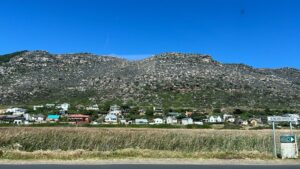
- Below the slopes of the Twelve Apostles mountain range
This positioning gives Bakoven its dramatic scenery: mountains on one side, and the vast Atlantic Ocean on the other.
The area is primarily residential, meaning the beach remains quiet and relatively untouched compared to nearby tourist hotspots.
The Character of Bakoven Beach
Bakoven is not a single long stretch of sand. Instead, it is made up of:
- Small sandy coves
- Rocky platforms
- Natural tidal pools
- Sheltered swimming pockets
The beach is framed by large granite boulders that create natural windbreaks and private spaces. This makes Bakoven feel more like a series of hidden seaside viewpoints than a traditional beach.
The ocean here is typically deep blue and powerful, shaped by the cold Benguela current. Waves can be strong, and conditions change quickly, which adds to its wild and natural atmosphere.
Why Bakoven Feels So Different from Camps Bay
Just around the corner, Camps Bay is lively, filled with restaurants, cafés, and beachgoers. Bakoven, however, feels like a completely different world.
The key differences include:
1. No Commercial Strip
There are no beachfront restaurants or shops directly on Bakoven Beach. This keeps the area quiet and uncluttered.
2. Low Foot Traffic
Most visitors are locals or people who know the area well. It is not a mass tourism beach.
3. Natural Layout
Instead of a flat sandy beach, Bakoven is shaped by rock formations, creating smaller, more intimate spaces.
4. Residential Atmosphere
Luxury homes and quiet streets surround the area, reinforcing its peaceful feel.
Things to Do at Bakoven Beach
Although Bakoven is not a typical “activity beach,” it offers plenty for those who enjoy nature and relaxation.
1. Sunset Watching
Bakoven is one of the best sunset spots on the Atlantic Seaboard. The sun drops directly into the ocean, often painting the sky in deep oranges, pinks, and purples.
2. Rock Pool Exploring
At low tide, small rock pools form between the boulders. These are ideal for relaxing, dipping your feet, or simply enjoying the calm water.
3. Photography
The combination of granite rocks, ocean spray, and mountain backdrops makes Bakoven a favourite for photographers.
4. Swimming (with caution)
Some sheltered coves allow for swimming, but the water is cold and currents can be strong. Always assess conditions first.
5. Walking Between Beaches
You can walk along coastal paths connecting Bakoven to Camps Bay or toward Oudekraal and Llandudno.
Best Time to Visit Bakoven Beach
Timing plays a big role in the Bakoven experience.
Early Morning
- Quietest time of day
- Soft light over the ocean
- Ideal for peaceful walks
Late Afternoon
- Warmer lighting
- Great for photography
- Fewer people than sunset
Sunset
- Most popular time
- Golden light over the Atlantic
- Stunning views behind the Twelve Apostles
Summer sunsets are particularly spectacular, but even winter offers dramatic ocean scenes.
Safety and Practical Tips
Bakoven is generally safe, but like all natural coastal areas, it requires awareness.
Things to keep in mind:
- No lifeguards are permanently stationed here
- Waves and currents can be unpredictable
- Rocks can be slippery when wet
- Parking is limited in surrounding streets
What to bring:
- Water and snacks
- Sunscreen and hat
- Comfortable walking shoes
- A jacket for wind in the evening
There are no facilities directly on the beach, so preparation is important.
Nearby Attractions
Bakoven is perfectly positioned for exploring the wider Atlantic Seaboard.
Camps Bay
Just minutes away, offering restaurants, nightlife, and a lively beachfront atmosphere.
Clifton Beaches
Famous for their sheltered coves and soft white sand.
Llandudno Beach
A quieter surf beach surrounded by mountains and large boulders.
Table Mountain Cableway
A short drive inland for panoramic views over Cape Town.
Why Bakoven Beach is Worth Visiting
Bakoven stands out because it offers something Cape Town is increasingly rare: simplicity.
There are no loud beach bars, no large crowds, and no commercial distractions. Instead, it offers:
- Raw ocean energy
- Natural rock formations
- Quiet sunset viewpoints
- A sense of escape within the city
It is the kind of place where time slows down, even if just for an hour.
For locals, it is a retreat. For visitors, it is a discovery.
FAQ: Bakoven Beach, Cape Town
1. Is Bakoven Beach safe for swimming?
Swimming is possible in sheltered areas, but the ocean can be cold and currents may be strong. Always check conditions before entering the water.
2. Is Bakoven Beach crowded?
No. Bakoven is usually quiet compared to nearby Camps Bay, especially during weekdays. It remains a low-foot-traffic beach.
3. Are there restaurants or shops at Bakoven Beach?
No. Bakoven has no beachfront commercial facilities. Visitors usually go to nearby Camps Bay for food and amenities.
4. Where can I park for Bakoven Beach?
Parking is limited and located in surrounding residential streets. Arriving early, especially at sunset, is recommended.
5. What makes Bakoven Beach special?
Its natural rock formations, tidal pools, and peaceful atmosphere make it one of Cape Town’s most underrated coastal spots.
6. Is Bakoven good for photography?
Yes. The combination of ocean, boulders, and mountain backdrops makes it ideal for landscape and sunset photography.
7. How far is Bakoven from Camps Bay?
It is only a few minutes’ drive or a short walk along the coastline.
8. When is the best time to visit Bakoven Beach?
Sunset is the most popular time, but early morning offers the most peaceful experience.
Conclusion
Bakoven Beach is one of Cape Town’s hidden coastal gems. It does not compete with the energy of Camps Bay or the scale of Clifton—it offers something different: stillness, natural beauty, and space to breathe.
For anyone exploring the Atlantic Seaboard, Bakoven is a reminder that some of Cape Town’s most memorable places are not the busiest—but the quietest.